Persistent severe constipation or diarrhea (Bristol Stool Chart types 1 or 2, or 6 or 7) Blood in the stool or black, tarry stools Excessive mucus in the stool Persistent changes in bowel habits (such as chronic constipation or diarrhea) Very foul-smelling stools Sudden, significant changes in stool appearance or frequency Pencil-thin or ribbon-like stools (could suggest narrowing of the colon) Associated symptoms like abdominal pain, distended belly, rectal pain, nausea or vomiting, bloating, or unexplained weight loss If you experience any of these symptoms, or if your stool consistently falls outside the ideal type 3 to 4 range without an obvious dietary or lifestyle cause, you should consult a gastroenterologist for further evaluation, says Patel
Intercellular distribution of glutathione synthesis in maize leaves and its response to short-term chilling
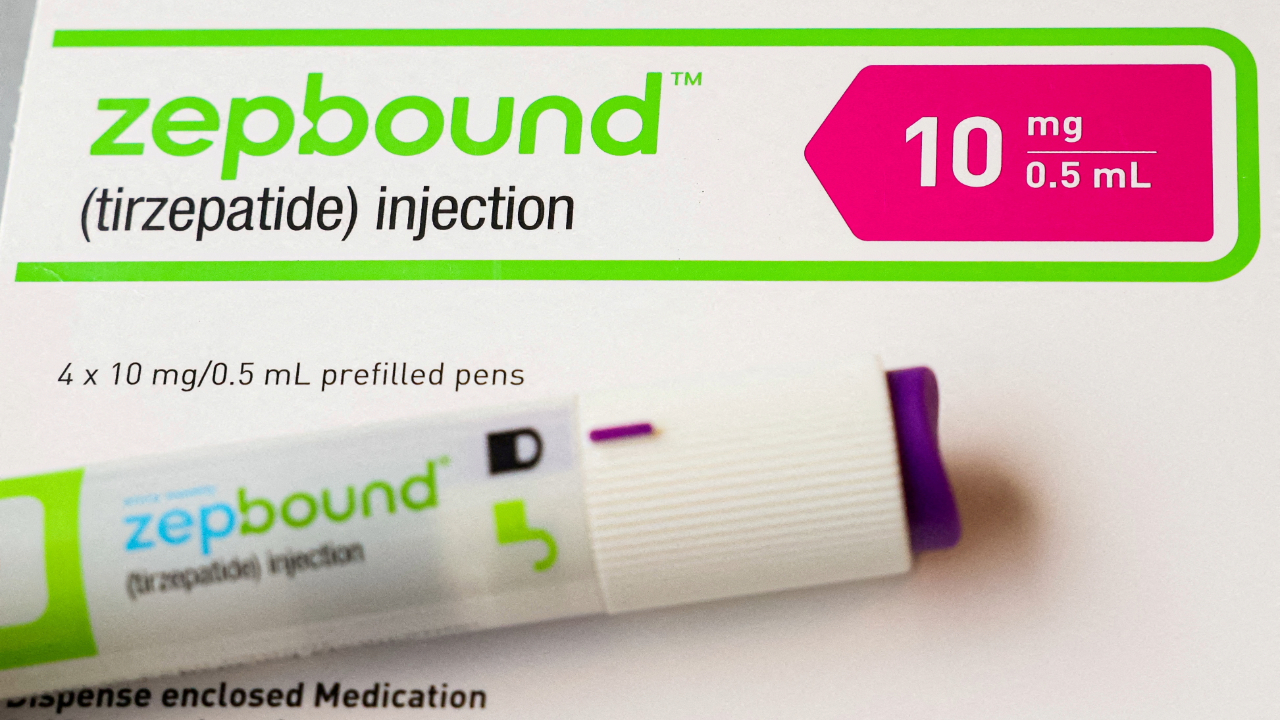
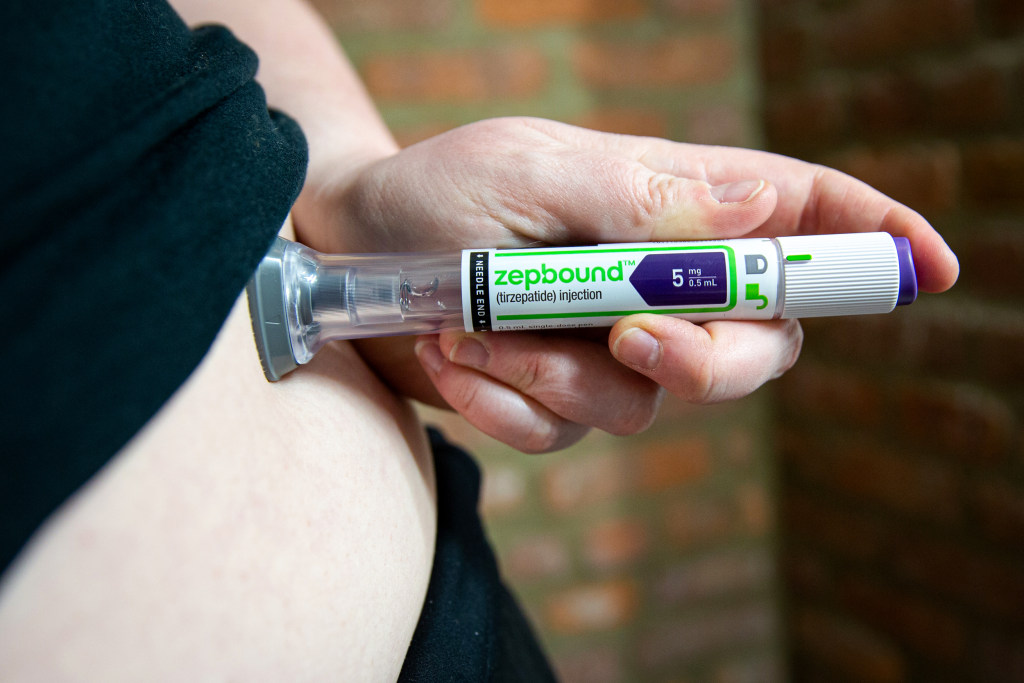
Enhanced Metabolic Health By incorporating tirzepatide into your lifestyle, you may notice improvements in blood sugar levels, cholesterol, blood pressure, and overall inflammatory markers, contributing to better long-term health
Peak stage (hours 72 through day 6) The peak stage of opioid withdrawal is often the most challenging and intense phase