These are known as phase II detoxification enzymes that comprise of at least 8 classes of isoenzymes: alpha (A), kappa (K), mu (M), omega (O), pi (P), sigma (S), theta (T), and zeta (Z)
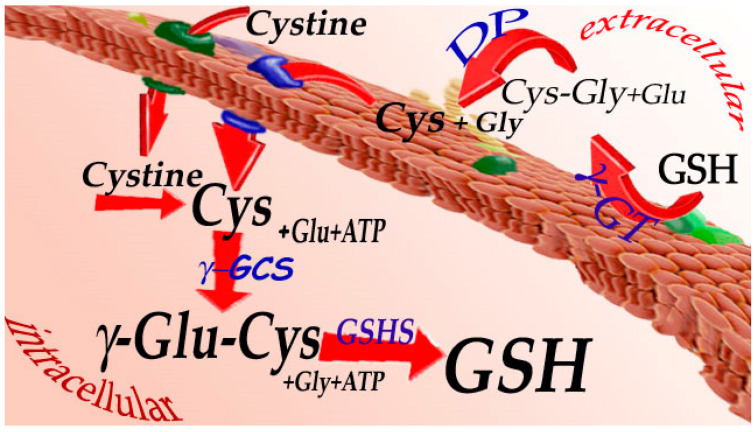
Foods Rich in Glutathione Precursors Since cysteine availability is the rate-limiting factor for glutathione synthesis, foods rich in cysteine and sulfur-containing amino acids are particularly important [2][9]: High-cysteine protein sources: Whey protein, eggs, chicken, turkey, pork, beef, fish Sulfur-rich vegetables (also activate Nrf2): Broccoli, Brussels sprouts, cauliflower, kale, cabbage, garlic, onions, shallots Glycine-rich foods (collagen sources): Bone broth, gelatin, skin-on chicken, pork rinds Glutamic acid sources: Tomatoes, mushrooms, parmesan cheese, soy sauce, fermented foods Practical Notes Cooking reduces glutathione: Raw fruits and vegetables contain more glutathione than cooked versions
The same molecule as Ozempic/Wegovy The combination approach has the advantage of using two individually optimized and validated components
Flieger, J