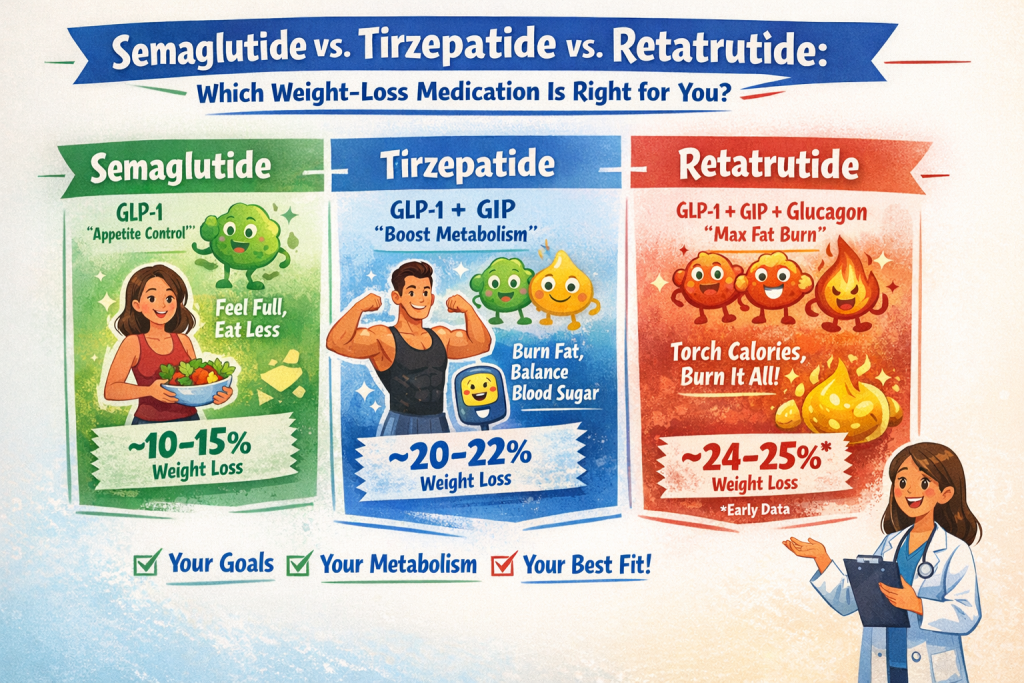
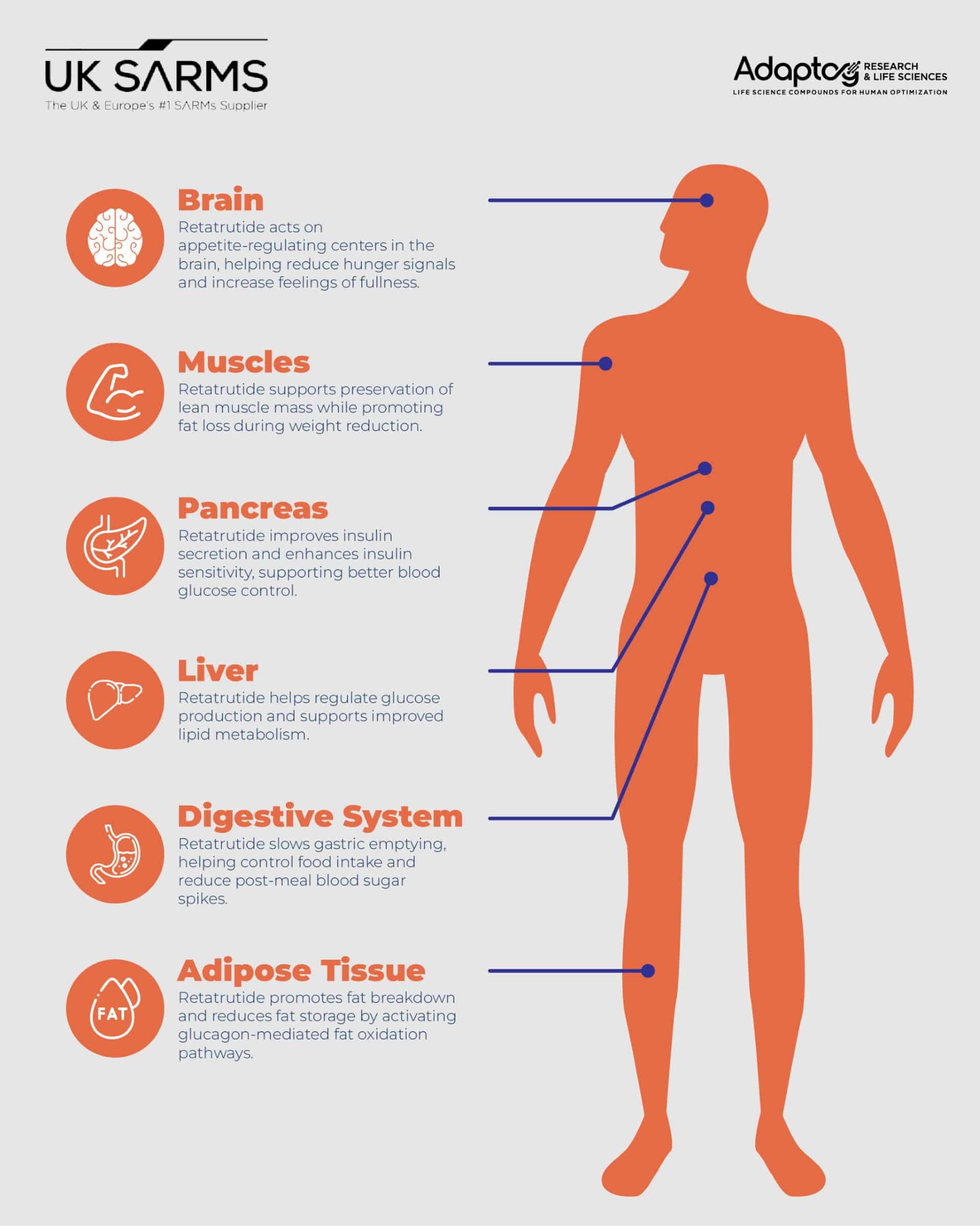
The beneficial effects of single molecule GLP-1/Gcg coagonism were also demonstrated in ob/ob mice, which had enhanced GSIS and improved glucose tolerance upon acute treatment with a GLP-1/Gcg coagonist (Gault et al., 2013)
Key mechanisms: Promotes healing of mucosal tissue throughout the GI tract oesophagus, stomach, duodenum, and lower intestine Stimulates angiogenesis through VEGF and other growth factor pathways Accelerates repair of tendons, ligaments, and muscle via fibroblast activation Modulates the nitric oxide pathway to restore microvascular integrity The evidence: A 2026 peer-reviewed article in the International Journal of Molecular Sciences summarised BPC-157's reparative properties across diverse preclinical models, noting consistent evidence for gastrointestinal healing, angiogenesis, and tendon and ligament repair
This is also normal and usually goes away soon
[link] Stoyanova T, Goldstein AS, "Distinct phases of human prostate cancer initiation and progression can be driven by different cell-types", Cancer Cell Microenviron 1: (2014)