When KCNB1 (a homolog of KVS-1) contacts with ROS, Src/JNK-meditated apoptotic program in mitochondria would be initiated to produce more ROS ( 2+ channel, would open more readily and thus, leak Ca 2+ after oxidation ( 2+ by activating inositol 1,4,5-trisphosphate receptors (IP3R) to open the permeability transition pore, thereby changing the permeability of mitochondria to further release more ROS as a vicious cycle ( Furthermore, Pt-induced ROS production can also promote the secretion of proinflammatory cytokines, for example, TNF-, interleukin-1 (IL-1), interleukin-6 (IL-6), chemokine ligand 2 (CCL2), and so on ( Overall, the accumulation of Pt drugs in the DRG intensifies DNA damage and ROS production
Be honest about any weight loss you've experienced, recent dose changes, or side effects you've noticed
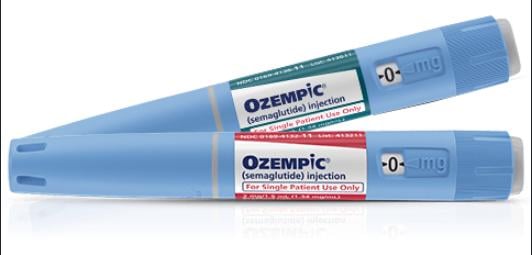
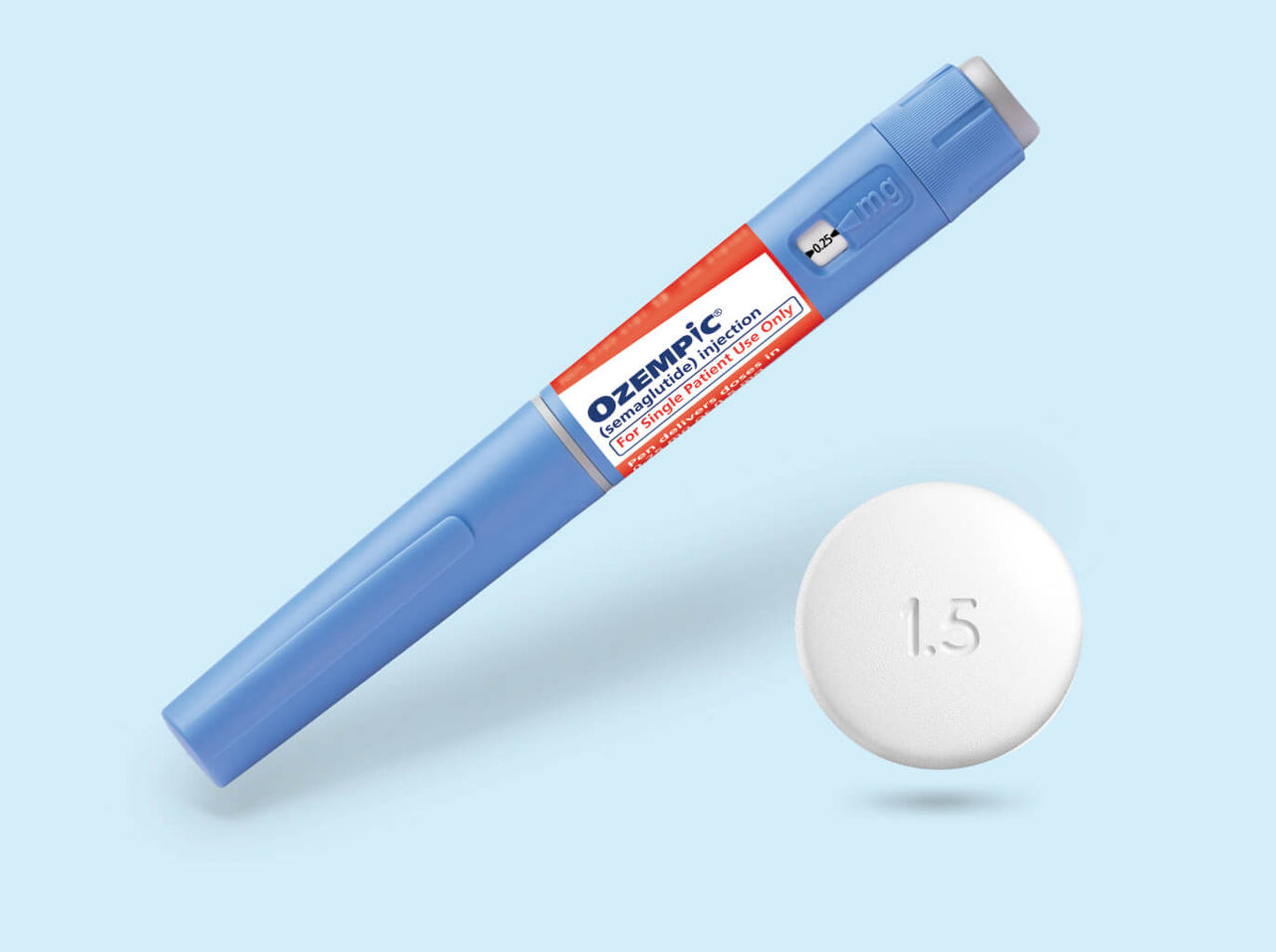
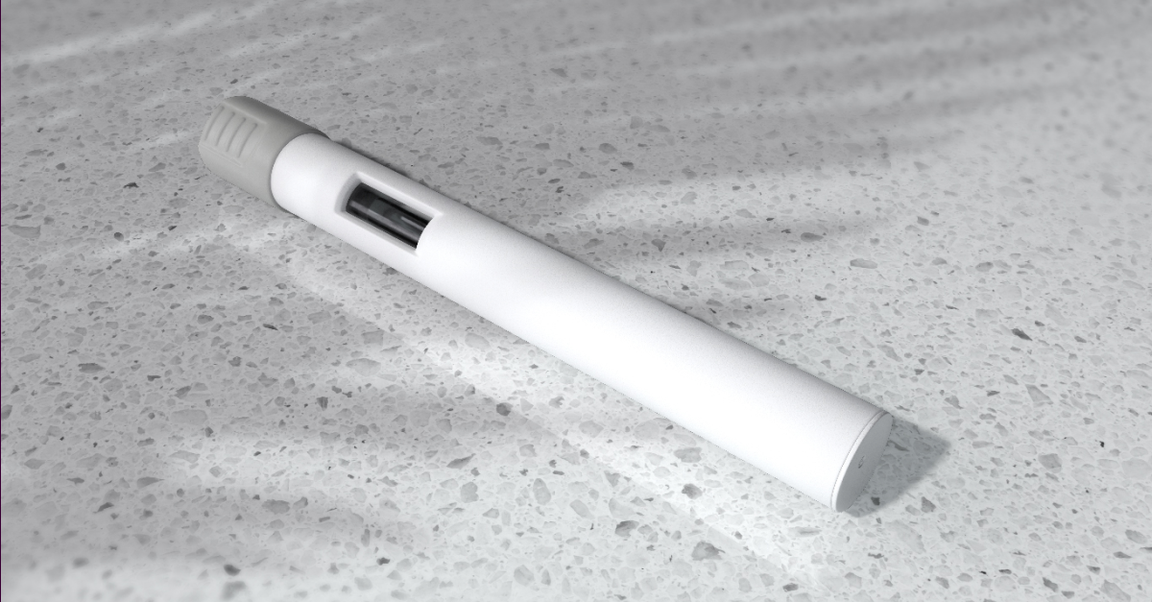
If diet and exercise just arent doing the trick, then its time to look into weight loss injections
Key mechanisms: Stimulates collagen and elastin synthesis in fibroblasts at concentrations as low as 1 nanomolar Modulates expression of at least 4,000 genes, including pathways governing DNA repair and antioxidant defence Attracts immune and endothelial cells to sites of tissue injury Promotes angiogenesis (new blood vessel formation) essential to delivering the nutrient supply that skin remodelling requires The evidence: A foundational peer-reviewed study in BioMed Research International confirmed that GHK-Cu stimulates both collagen synthesis and breakdown simultaneously functioning not as a crude growth signal but as a regulator of the full extracellular matrix remodelling cycle

.webp)