At around 500mg/day, they are rarely reported, but as intake approaches 1,000mg/day or higher, gastrointestinal complaints become more likely.67 In one study, about 6% of patients at 1,000mg/day experienced GI issues, and a few discontinued the trial as a result.43 Still, research suggests these digestive side effects are often temporary, fading as the body adapts, especially when people start with smaller doses and build up gradually.37 67 Long-term use The best safety data come from ALS studies, where patients took 2,000mg/day (1g twice daily) for up to 18 months.38 42 Roughly 20% experienced gastrointestinal side effects, but most were able to continue by lowering their dose.67 Longer exposure has not been systematically studied, so the safety of multi-year supplementation remains unknown
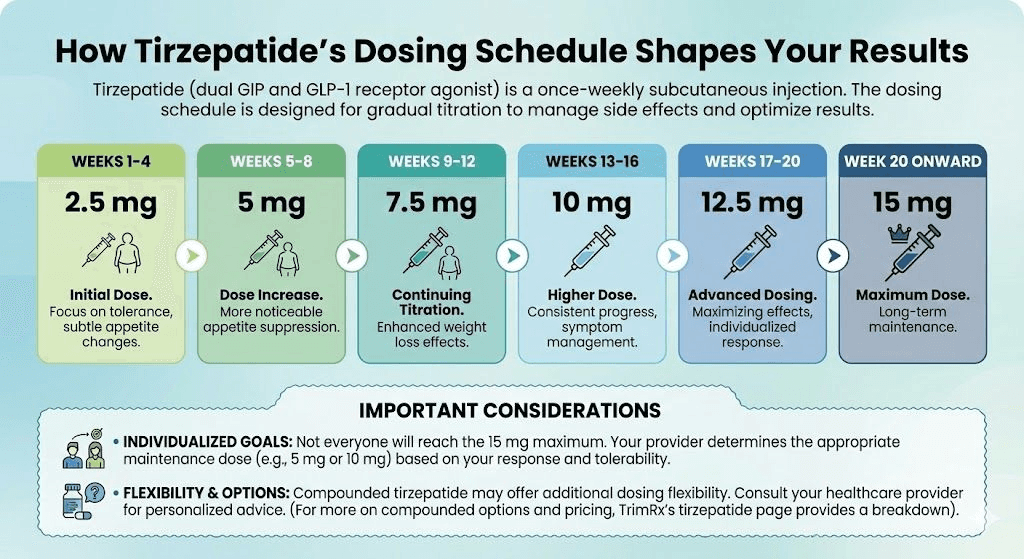
Your prescriber can help determine which route makes the most sense based on your specific situation, tolerance for injections, and treatment goals
(2012) found that enhancing autophagic flux by IFN- alleviated the accumulation of polyubiquitinated peptides, thereby protecting renal tubular cells from CP-induced AKI
Spermatozoa are particularly susceptible to such stress as a consequence of their high unsaturated fatty acid content and their limited store of antioxidant enzymes such as superoxide dismutase or glutathione peroxidase [1]