somnifera may alleviate the symptoms of insomnia and depression, potentially through GABAergic and serotonergic pathways, and by modulating the hypothalamic-pituitary-adrenal axis and the sympathetic-adrenal-medullary system (52)

The current evidence base primarily from animal studies and limited human trials suggests the following potential applications: Improved sleep quality increased proportion of slow-wave sleep, reduced sleep latency, fewer nocturnal cortisol spikes Cortisol normalisation reduced HPA hyperactivation, particularly relevant in high-stress or metabolically burdened patients Nociceptive effects several studies indicate DSIP modulates pain processing, with implications for patients whose poor sleep is pain-driven (3) Antioxidant activity may reduce oxidative stress markers, which are elevated in both sleep-deprived and insulin-resistant individuals Neuroendocrine support preliminary evidence of effects on LH, FSH, and somatostatin hormones that regulate testosterone, oestrogen, and growth hormone release Potential stress adaptation some data suggest DSIP may reduce the physiological stress response magnitude without blunting alertness It is important to be precise here

The experimental evidence demonstrates that MAPKAPK2 contributes to the counteracting oxidative stressinduced damage in melanocytes
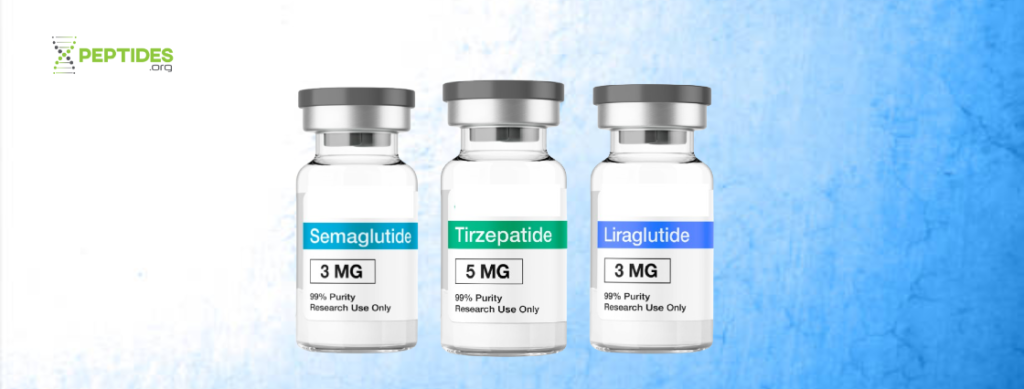
Medication Tolerance: Assess your ability to tolerate medications that impact blood sugar regulation or influence appetite